


What I Look for in a Longevity Supplement: My Conversation with Lucas Aoun on Boost Your Biology
Keeper Health cofounder Angus Macintosh joined Lucas Aoun on Boost Your Biology to talk longevity supplements, NAD+, tauri...


Ice Baths vs Saunas: Which Wins for Longevity?
Your social media feed is probably full of ice bath warriors and sauna evangelists, each claiming their method is the ultimate longevity hack. Wim Hof disciples swear by cold exposure, while Finnish sauna enthusiasts point to decades of research on heat therapy. So which extreme actually delivers better results for healthy aging? The answer might surprise you.

NMN vs NAD+: The Science Behind the Hype
Let's get straight to the point about NMN and NAD+ supplements – what they actually do, why your body can't absorb NAD+ directly, and how to choose the right longevity supplement for your needs.

PQQ vs CoQ10: The Mitochondrial Power Duo
You've probably heard of CoQ10 – it's been the darling of the supplement world for decades. But there's a newcomer that's got longevity researchers excited: PQQ. While most people debate which one is "better," the real question is why you'd choose between them when they work together like a perfectly orchestrated team.

Glutamine is the most abundant amino acid in your body, making up over 60% of your skeletal muscle tissue. While your body can produce it (making it "non-essential" under normal conditions), demand can exceed supply during stress, illness, intense exercise, or aging—which is why it's classified as "conditionally essential."
This amino acid is crucial for gut health, immune function, muscle recovery, and cellular energy—all critical for healthy aging.
As you age, several factors increase glutamine demand while production often declines:
Your intestinal cells (enterocytes) use glutamine as their primary fuel source. Without adequate glutamine, gut barrier integrity weakens, potentially leading to "leaky gut," inflammation, and immune dysfunction.
A healthy gut barrier is foundational for longevity—it prevents toxins and bacteria from entering your bloodstream while allowing nutrient absorption.
Immune cells, particularly lymphocytes and macrophages, are glutamine-dependent. During infection or stress, immune cell glutamine consumption skyrockets. Insufficient glutamine can impair immune response, increasing infection risk and recovery time.
Muscle loss (sarcopenia) accelerates after age 40 and is a major predictor of mortality and reduced quality of life. Glutamine supports muscle protein synthesis and prevents muscle breakdown during stress or illness—critical for maintaining strength and independence as you age.
Glutamine is a precursor to glutathione, your body's master antioxidant. Glutathione combats oxidative stress driving aging and chronic disease. Low glutamine means reduced glutathione production and increased cellular damage.
Common indicators of glutamine deficiency:
Your body produces glutamine, but you can also obtain it from food:
Highest glutamine foods:
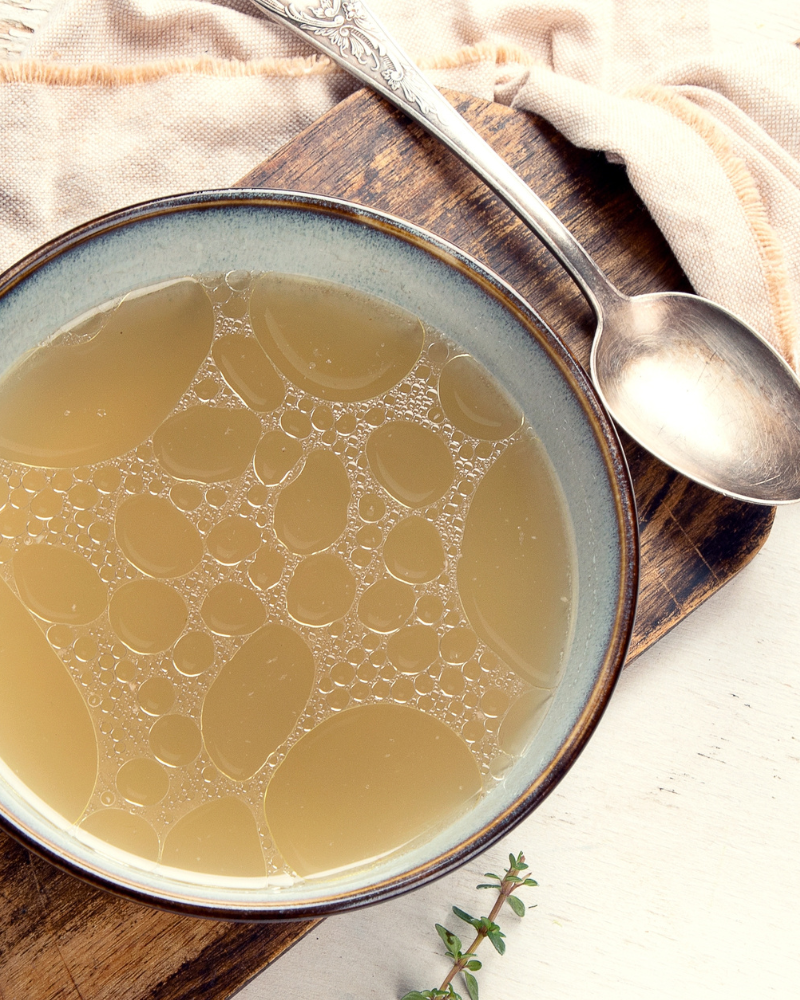
Pro tip: Cooking and processing can reduce glutamine content. Raw or lightly cooked vegetables and fresh bone broth provide more bioavailable glutamine.
While food sources are ideal, supplementation may benefit:
Typical dosing: Research uses 5-20g daily, often split into 2-3 doses. L-glutamine powder mixes easily into water or smoothies.
Glutamine supplementation has an excellent safety profile, though those with kidney or liver disease should consult their healthcare provider first.
Glutamine's longevity benefits stem from its role in three interconnected systems:
Healthy gut → Better nutrient absorption + reduced inflammation Strong immune system → Faster recovery + disease resistance
Preserved muscle → Metabolic health + physical independence
This triad becomes increasingly important for healthy aging. Maintaining adequate glutamine supports all three simultaneously.
To optimize glutamine naturally:
Glutamine is your gut's primary fuel, your immune system's essential nutrient, and your muscles' recovery support. While often overlooked in longevity discussions, this conditionally essential amino acid becomes increasingly critical with age.
Between gut barrier deterioration, immune senescence, and muscle loss—all major aging concerns—glutamine addresses multiple longevity pathways simultaneously.
Focus on glutamine-rich whole foods first, then consider supplementation if you're active, stressed, or managing gut health issues. Your gut, immune system, and muscles will thank you.
If you'd like glutamine alongside other gut focused ingredients, Keeper Good Gut includes 1500mg of L-glutamine per scoop, together with colostrum, slippery elm and prebiotic fibres.


