


What Does a Longevity Stack Really Cost?
What does a longevity stack really cost? We compared Complete Longevity with purchasing its 18 active ingredients individu...


Ice Baths vs Saunas: Which Wins for Longevity?
Your social media feed is probably full of ice bath warriors and sauna evangelists, each claiming their method is the ultimate longevity hack. Wim Hof disciples swear by cold exposure, while Finnish sauna enthusiasts point to decades of research on heat therapy. So which extreme actually delivers better results for healthy aging? The answer might surprise you.

NMN vs NAD+: The Science Behind the Hype
Let's get straight to the point about NMN and NAD+ supplements – what they actually do, why your body can't absorb NAD+ directly, and how to choose the right longevity supplement for your needs.

PQQ vs CoQ10: The Mitochondrial Power Duo
You've probably heard of CoQ10 – it's been the darling of the supplement world for decades. But there's a newcomer that's got longevity researchers excited: PQQ. While most people debate which one is "better," the real question is why you'd choose between them when they work together like a perfectly orchestrated team.
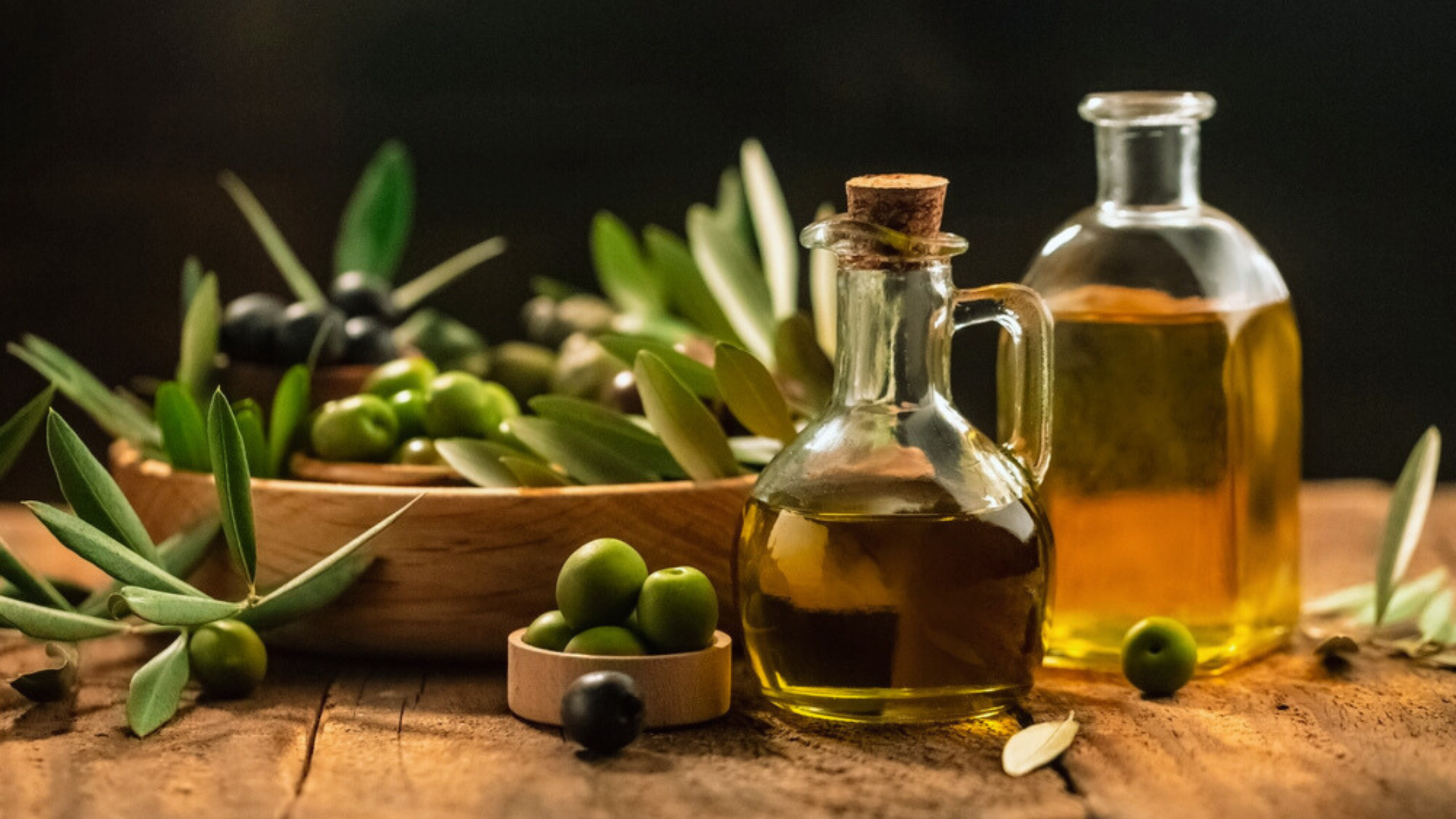

Walk into any health-focused social media space and you'll hear seed oils called everything from "toxic sludge" to "the root of all modern disease." Meanwhile, mainstream nutritionists often dismiss these concerns entirely. So what's the truth? Are seed oils the dietary villain they're made out to be, or is this just another case of internet hysteria?
Seed oils – also called vegetable oils – are extracted from seeds like soybeans, corn, canola (rapeseed), sunflower, safflower, and cottonseed. They became dominant in our food supply over the past century, largely replacing traditional fats like butter, lard, and coconut oil.
The controversy centers around several concerns:
But here's where it gets complicated – the science isn't as black and white as either side claims.
The Concern: Our ancestors consumed omega-6 and omega-3 fatty acids in roughly equal ratios. Today, most people consume 15-20 times more omega-6 than omega-3, largely due to seed oil consumption.
The Science: Omega-6 fatty acids aren't inherently bad – they're essential nutrients we need for proper cell function, immune response, and brain health. The issue is balance and type.
Some omega-6 fatty acids (like those from nuts and seeds) are beneficial, while others can promote inflammation when consumed in excess. Linoleic acid, the primary omega-6 in seed oils, can be converted into arachidonic acid, which can produce inflammatory compounds.
The Reality Check: The ratio matters, but it's not the whole story. People who eat anti-inflammatory diets rich in omega-3s, antioxidants, and polyphenols can likely handle moderate amounts of omega-6 without issues. The problem isn't necessarily seed oils alone – it's seed oils plus processed foods plus lack of omega-3s plus minimal antioxidants.
Here's where the seed oil critics have a stronger point. Unlike olive oil (which can be simply pressed), most seed oils require intensive industrial processing:
The Industrial Process:
What Goes Wrong:
The Takeaway: Processing method matters more than the seed type itself. Cold-pressed, unrefined seed oils are very different from their highly processed counterparts.
The Research: Some studies suggest high omega-6 intake from processed seed oils may contribute to chronic inflammation. However, other studies show that replacing saturated fats with polyunsaturated fats (including omega-6s) can reduce heart disease risk.
The Nuance: Context matters enormously. Seed oils in the context of a processed food diet may contribute to inflammation. The same oils in the context of an anti-inflammatory diet rich in omega-3s, antioxidants, and whole foods may be neutral or even beneficial.
The Missing Piece: Most research on seed oils doesn't distinguish between:
Ultra-Processed Foods The biggest problem isn't necessarily the seed oils themselves – it's that they're concentrated in ultra-processed foods that are already problematic. French fries, chips, packaged baked goods, and restaurant fried foods contain seed oils plus refined carbs, excess sodium, artificial additives, and minimal nutrients.
Repeated Heating Seed oils become much more problematic when heated repeatedly (like in commercial fryers) or to very high temperatures. This creates oxidized compounds, trans fats, and other harmful substances.
Lack of Antioxidants Processed seed oils are stripped of natural antioxidants that would normally protect against oxidation. When you consume these oils without adequate antioxidants from fruits and vegetables, oxidative damage increases.
Higher Concern:
Moderate Concern:
Lower Concern:
Prioritize These Changes:
Don't Stress About:
Do Be Mindful Of:
Best Choices:
Avoid:
Cardiovascular Disease: Mixed results – some studies show benefits of replacing saturated fats with polyunsaturated fats, others suggest concerns with high omega-6 intake.
Inflammation: Context-dependent – may be inflammatory in the context of poor overall diet, potentially neutral or beneficial in healthy dietary patterns.
Cancer: Limited and conflicting evidence – most concerns come from animal studies or observational data with many confounding factors.
The Bottom Line from Research: The dose makes the poison, and context matters more than any single food component.
The seed oil hysteria is overblown, but the concerns aren't entirely baseless. Here's the reasonable approach:
Focus on these proven strategies:
Don't obsess over:
The Real Truth: Your overall dietary pattern matters far more than any single ingredient. Someone eating a diet rich in vegetables, fruits, lean proteins, and healthy fats can probably handle some seed oils without issue. Someone eating a diet of processed foods will have problems regardless of oil type.
Are seed oils ideal? Probably not in the quantities most people consume them. Are they the root of all dietary evil? Definitely not.
The real issue isn't seed oils themselves – it's the ultra-processed food system they're embedded in. Focus on eating real food, cooking at home, and including plenty of anti-inflammatory nutrients. Do that consistently, and the occasional seed oil exposure won't be your biggest health concern.
Ready to take a rational approach to fats? Start by reducing processed foods, cooking more at home with better oils, and including plenty of omega-3s and antioxidants in your diet. Skip the extreme positions and focus on the changes that actually move the needle on your health.


