


Keeper x Peaches Pilates: A Morning of Movement, Wellness & Community
The Keeper founders spent the morning with the Peaches Pilates community in Rosebery, sharing product samples, answering q...


Ice Baths vs Saunas: Which Wins for Longevity?
Your social media feed is probably full of ice bath warriors and sauna evangelists, each claiming their method is the ultimate longevity hack. Wim Hof disciples swear by cold exposure, while Finnish sauna enthusiasts point to decades of research on heat therapy. So which extreme actually delivers better results for healthy aging? The answer might surprise you.

NMN vs NAD+: The Science Behind the Hype
Let's get straight to the point about NMN and NAD+ supplements – what they actually do, why your body can't absorb NAD+ directly, and how to choose the right longevity supplement for your needs.

PQQ vs CoQ10: The Mitochondrial Power Duo
You've probably heard of CoQ10 – it's been the darling of the supplement world for decades. But there's a newcomer that's got longevity researchers excited: PQQ. While most people debate which one is "better," the real question is why you'd choose between them when they work together like a perfectly orchestrated team.
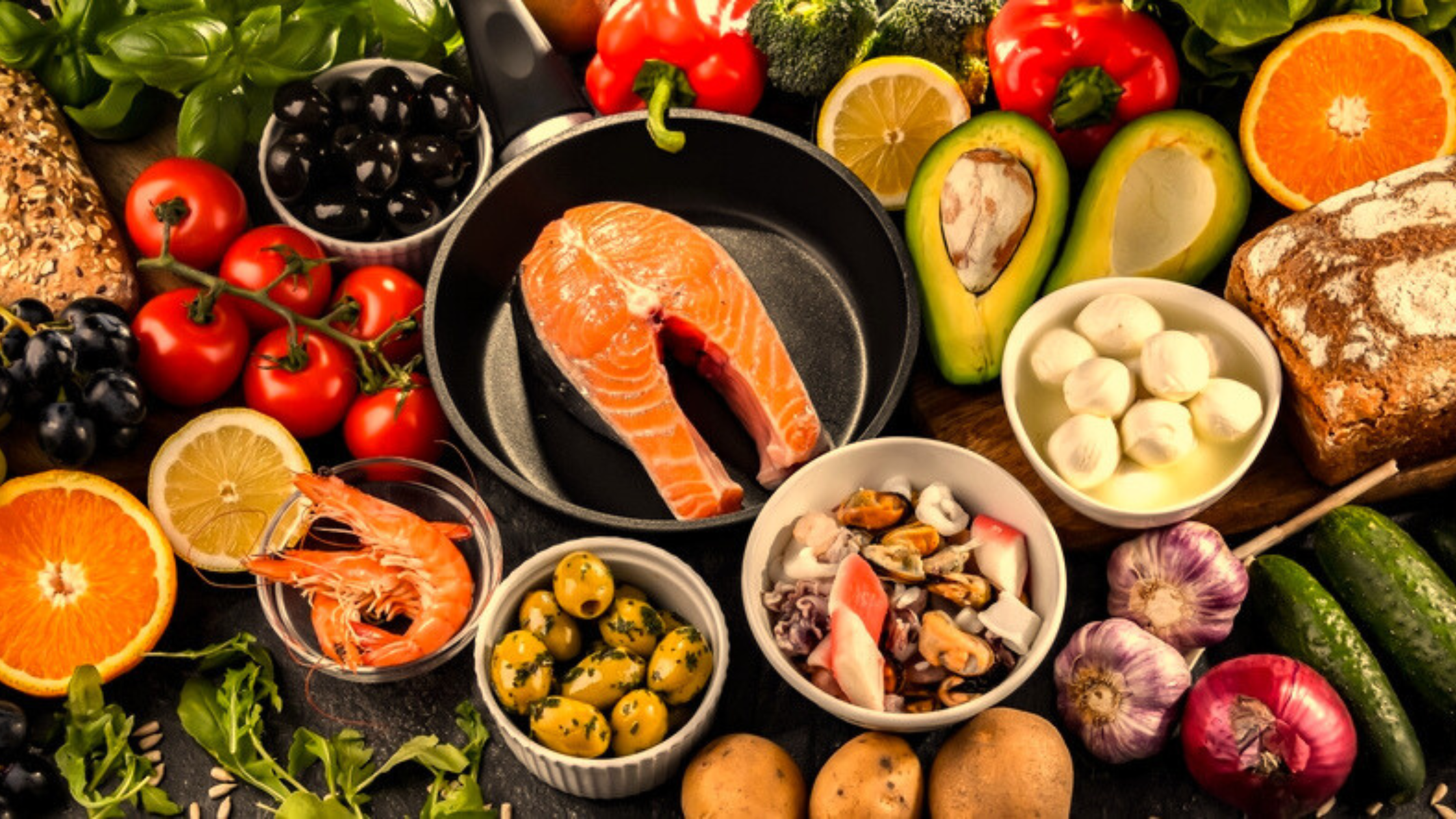

You've probably noticed that some people seem to age like fine wine while others... don't. What if I told you the difference isn't just genetics – it's what's on their dinner plate? There's a hidden culprit accelerating aging in millions of people, and it's not what you think.
Inflammaging is exactly what it sounds like: chronic, low-grade inflammation that accelerates the aging process. Think of inflammation as your body's fire department – it's supposed to show up, put out the fire (heal an injury or fight infection), and then go home. But with inflammaging, the fire department never leaves. They just keep spraying water everywhere, causing damage to your healthy tissues.
This chronic inflammation doesn't just make you look older – it actively contributes to heart disease, diabetes, Alzheimer's, arthritis, and even cancer. Research shows that people with higher levels of inflammatory markers in their blood have shorter lifespans and more age-related diseases.
The good news? What you eat can either fuel this inflammatory fire or help put it out. Your fork is one of the most powerful anti-aging tools you own.
Studies have linked many major diseases that plague us — including cancer, heart disease, diabetes, arthritis, depression, and Alzheimer's — to chronic inflammation. Harvard researchers have found that one of the most powerful tools to combat inflammation comes not from the pharmacy, but from the grocery store.
The research is compelling: fruits and vegetables such as blueberries, apples, and leafy greens that are high in natural antioxidants and polyphenols — protective compounds found in plants can significantly reduce inflammatory markers in your blood.
What makes certain foods anti-inflammatory? It comes down to bioactive compounds like polyphenols, omega-3 fatty acids, antioxidants, and fiber that work together to calm your immune system and repair cellular damage.
Fatty Fish: Your Omega-3 Powerhouse Salmon, mackerel, sardines, and anchovies are loaded with omega-3 fatty acids that actively reduce inflammation. Omega-3s also help keep your skin supple, hydrated, and youthful-looking. Aim for 2-3 servings per week, and choose wild-caught when possible.
Berries: Nature's Anti-Aging Candy Berries such as blueberries, strawberries, and raspberries are packed with antioxidants called anthocyanins, which have powerful anti-inflammatory effects. They literally help protect your brain from aging and keep your skin looking younger. Add them to everything – yogurt, oatmeal, smoothies, or just eat them by the handful.
Leafy Greens: The Ultimate Age-Fighters Leafy greens such as spinach, kale, and Swiss chard are nutrient-dense and rich in antioxidants like vitamins A, C, and K. These vitamins protect cells from damage and reduce oxidative stress, which is a major contributor to aging. The more variety you eat, the better.
Extra Virgin Olive Oil: Liquid Gold for Longevity This isn't just any oil – extra virgin olive oil contains powerful polyphenols that fight inflammation and protect your heart and brain. Use it for salad dressings, light cooking, and drizzling over vegetables. It's a cornerstone of the Mediterranean diet for good reason.
Nuts and Seeds: Inflammation-Fighting Snacks Walnuts, almonds, flaxseeds, and chia seeds provide healthy fats, fiber, and vitamin E. Studies have also associated nuts with reduced markers of inflammation and a lower risk of cardiovascular disease and diabetes. A small handful daily is perfect.
Colorful Vegetables: The Rainbow Anti-Aging Strategy The more colors on your plate, the more anti-inflammatory compounds you're getting. Red peppers, purple cabbage, orange sweet potatoes, yellow bell peppers – each color represents different protective compounds that work together to fight aging.
Just as important as what you eat is what you avoid. The same foods on an inflammation diet are generally considered bad for our health, including sodas and refined carbohydrates, as well as red meat and processed meats.
The Biggest Culprits:
"White flour leads directly to a pro-inflammatory state," according to Harvard nutrition expert Eric Rimm. These foods don't just lack nutrients – they actively promote the inflammatory processes that accelerate aging.
Don't underestimate the anti-aging power of your spice rack. A 2012 study found that some of the best anti-inflammatory spices to eat, in order, are paprika, rosemary, ginger, turmeric, sage, and cumin.
Turmeric contains curcumin, one of the most potent natural anti-inflammatory compounds. Add it to curries, golden milk, or smoothies.
Ginger reduces inflammation and supports digestion. Use fresh ginger in stir-fries, teas, or smoothies.
Garlic contains compounds that fight inflammation and support heart health. Use it liberally in cooking.
Cinnamon helps regulate blood sugar and has anti-inflammatory properties. Add it to oatmeal, coffee, or baked goods.
Here's how to structure your meals for maximum anti-aging benefit:
Fill Half Your Plate with Vegetables Aim for variety and color. The more diverse your vegetable intake, the more anti-inflammatory compounds you'll get.
Add Quality Protein Focus on fatty fish, lean poultry, legumes, and plant-based proteins. These provide amino acids for cellular repair without promoting inflammation.
Include Healthy Fats Olive oil, avocados, nuts, and seeds provide the building blocks for healthy cell membranes and hormone production.
Choose Whole Grains Quinoa, brown rice, oats, and other whole grains provide fiber that feeds beneficial gut bacteria and reduces inflammation.
The Mediterranean diet may be the most beneficial in helping people get inflammation under control. It emphasizes omega-3s, vitamin C, polyphenols, fiber-rich foods and other known inflammation fighters.
This isn't a coincidence – populations following traditional Mediterranean eating patterns have some of the longest lifespans and lowest rates of age-related diseases in the world.
Breakfast: Oatmeal topped with berries, walnuts, and a sprinkle of cinnamon Lunch: Spinach salad with salmon, avocado, olive oil dressing, and mixed vegetables Dinner: Grilled fish with roasted colorful vegetables and quinoa Snacks: Mixed nuts, berries, or hummus with bell pepper strips
Diet is crucial, but it works best as part of a comprehensive anti-aging strategy:
Regular Exercise reduces inflammatory markers and helps maintain muscle mass as you age.
Quality Sleep is when your body repairs cellular damage and regulates inflammatory processes.
Stress Management through meditation, yoga, or other relaxation techniques helps keep cortisol levels in check.
Social Connections and strong relationships have been linked to lower inflammation levels.
Weeks 1-2: You might notice improved energy levels and better digestion as you reduce inflammatory foods.
Weeks 3-6: Many people report better sleep, clearer skin, and reduced joint stiffness during this period.
Months 2-3: More significant changes in inflammatory markers become apparent. You may notice improvements in mood, energy, and overall vitality.
Long-term (6+ months): The real anti-aging benefits compound over time – better cardiovascular health, cognitive function, and cellular repair processes.
It is thought that over 60% of all chronic disease could be prevented if people ate a healthy diet. That's a staggering statistic that puts the power squarely in your hands.
You don't need expensive supplements or complicated protocols to slow down aging. You need real, whole foods that your great-grandmother would recognize. The anti-inflammatory approach isn't about perfection – it's about making choices that support your body's natural repair and maintenance systems.
Ready to start eating your way to healthier aging? Begin with one meal at a time. Add more colorful vegetables, choose fatty fish twice a week, snack on berries and nuts, and cook with olive oil and anti-inflammatory spices.
Remember: every anti-inflammatory meal is an investment in your future self. The choices you make today determine how you'll feel, look, and function decades from now. Make them count.


